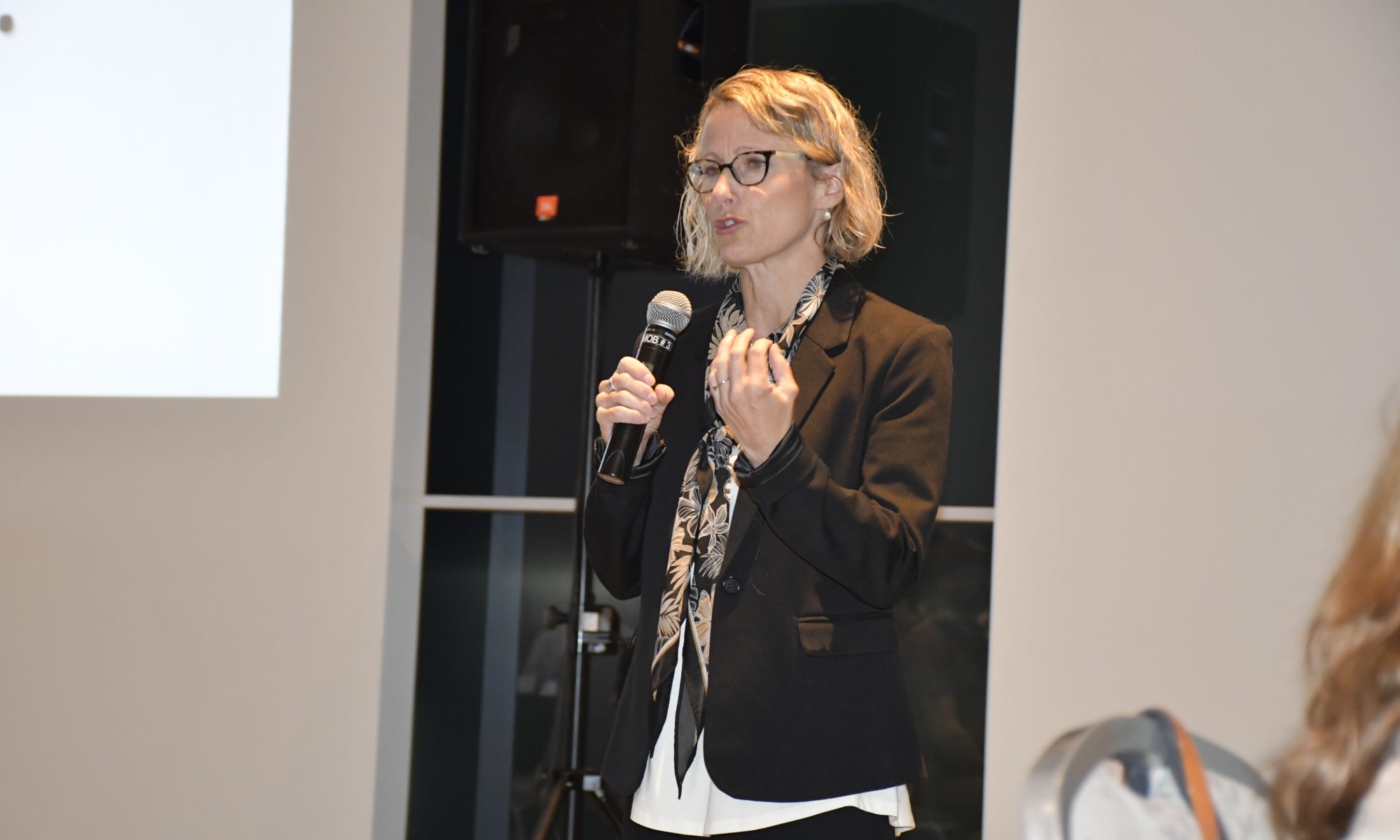
In Part I and II of this series, Changing the Narrative for Women Sport Coaches, I laid out how women coaches are framed shapes the discussion, and the numerous “blame the women” narratives that exist. In this blog I will tackle one particular narrative, provide counter narratives and suggest strategies for change.
 BLAME THE WOMAN NARRATIVE: Women don’t apply.
I hear from coaching directors and athletic directors (ADs) they want to hire women, but women just don’t apply. For example, if a head coach job is open an AD might get 45 male and three female applicants. The lack of women applicants provides proof that women don’t apply [subtext: Women CHOOSE not to apply].
Let me provide a few counter narratives and perspectives.
- In the example above three women did apply, so it isn’t they “don’t” apply, they don’t apply in the same numbers as men.
- In Part I, I outlined that choices of individuals are made within a system. The fact women “choose” not to apply is due to numerous factors and interpersonal, organizational and societal barriers their male counterparts do not encounter.
- Often when a head coaching position is posted, the AD already has a short list of candidates. Women know this, and if they aren’t on the “short list” why take the time and effort to apply. What this speaks to is this: informal and formal networks of the AD matters. When an AD wants to hire someone he (and in some cases she, but we know a majority ADs and coaching directors are men) turns to his networks. Most people’s networks are other people like them (i.e., other men, people they worked with in the past, classmates from undergraduate or graduate programs, people in the same position and industry. This is often called the ‘Old Boy’s Club’). Who is hired is often a reflection of the formal and informal network of the person doing the hiring. Staying within one’s network reproduces gendered discrimination (whether intentional or not). If you’d like to read a great article about gendered networks of NCAA ADs and SWAs click here.
- Women coaches exist in a system where they lack the network, status, resources, information, and access needed to seek, occupy and maintain leadership positions. Another way to put it, women coaches aren’t in the Old Boy’s Club and when a job opens, it is often too late for them to get in the game.
So what is the solution?
Change must occur at ALL LEVELS but it starts with the AD because that person has the most power in the system!
Strategies for the AD to consider:
- Believe that qualified women exist and do want to coach. Go out and actively seek, find, encourage, invite, ASK and ACTIVELY recruit women to apply. Build relationships with a diverse pool of candidates in advance so your short list is diversified. Recruiting women coaches, just like coaches recruit athletes to their teams, is about building a trusting relationship. You must work to convince women why your institution is a good fit for them (and their family if that applies) and why you want them.
- Contact the Alliance of Women Coaches and sport coaching organizations and ask for qualified candidates who are looking to make a move. Call colleagues who have made a similar hire recently and get their short list.
- Diversify your network.
- Ask yourself: Why aren’t women applying to your institution? Is your department a place where women want to work? Do they see others like them? Do they see evidence that women coaches matter? Will they feel valued and supported in your department?
- Challenge your common sense beliefs and the way you frame and think about the lack of women coaches in the applicant pool. Try to see it from the perspective of the female applicant and potential female applicants.
- Resist the temptation to blame women for not applying and instead reflect on how to encourage more women to apply, and make the workplace a supportive and inclusive place.
 coaches are framed is often problematic. For example there are many popular narratives about why the percentage of women coaches remains stagnant, and many of them blame women. When women are blamed, the system AROUND the women does not have to change.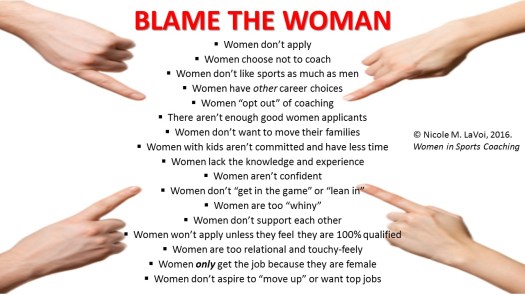


 Framing is how something, someone or a group of people are presented to the audience which influences the choices people make about how to process that information. Frames are powerful communication schemas (i.e., narratives) in which meaning assigned to an individual, in this case women coaches, is constructed. Framing is the selection, omission, and organization of the issue by individuals (i.e., the media, ADs) to explain the phenomena. Often dominant frames, whether true or not or whether based on empirical data or not, get taken up as “the truth” and uncritically accepted, like the example above that “women just aren’t interested in coaching.”
 difference, learn about interesting trends (including insight into which of the 86 select “big time” NCAA Division-I institutions, sports and conferences receive passing and failing grades, and see our NCAA D-III and D-II Report Cards visit :
  I visited Marti Erickson on
  Recently had the privilege of talking to Erin & Marti Erickson of
 Much of what I have done athletically and now do professionally would not look the same without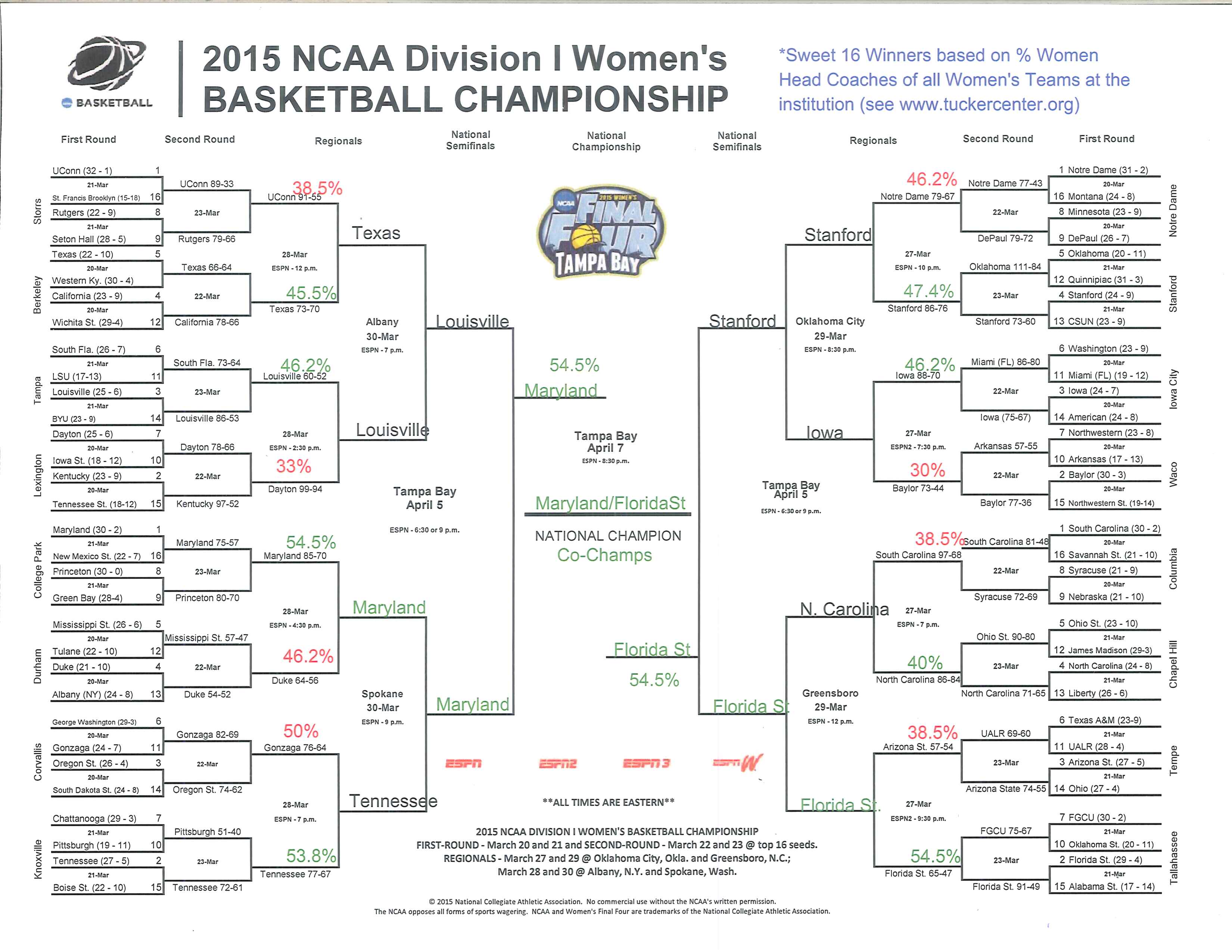

 One Sport Voice